


-
Buy our wine
Free shipping in France on orders over €200
- Our wines and crémants
- Sustainable Winegrowing
- Discover us
- News


 English
Our Wines of Alsace
A mosaic of wines, reflecting the character of Alsace
Alsace wines are unique in their diversity. From one grape variety to another, from one terroir to another, they offer an infinite range of expressions, from wines meant for immediate enjoyment to cellar-worthy cuvées.
At Bestheim, we’ve chosen to organize this richness into several complementary lines. Each embodies a facet of our vineyard and the work of our cooperative winemakers: accessible and reliable wines, brighter and bolder cuvées, expressions of demanding terroirs, and even rare wines from the finest vintages.
They are all united by a single philosophy: to offer wines that are authentic, expressive, and true to their origins.
Iconic Alsatian Wines


Origin.
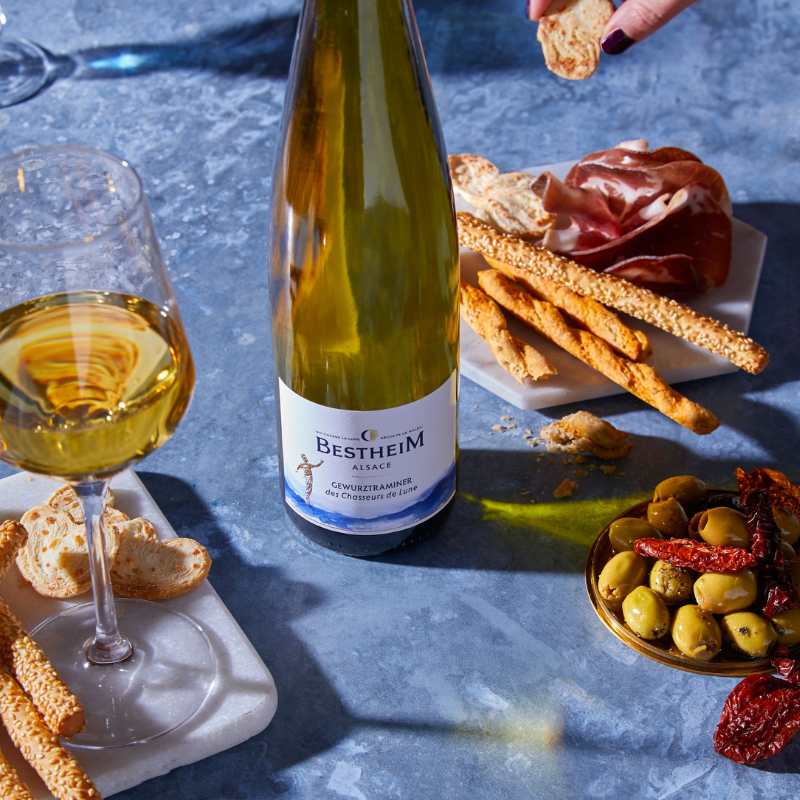
For nearly 80 years, Les Chasseurs de Lune has embodied the Bestheim spirit: authentic, approachable wines that remain true to the identity of Alsace’s great grape varieties.
The Chasseurs de Lune
Like a melody you love to revisit or a friend you can always count on, the Chasseurs de Lune cuvées are Bestheim’s must-haves.
Selected for quality as soon as the grapes are received, they perfectly express the full richness of Alsatian grape varieties. They feature the seven iconic Alsatian grape varieties—Sylvaner, Pinot Blanc, Riesling, Muscat, Pinot Gris, Gewürztraminer, and Pinot Noir—as well as Klevener de Heiligenstein, an exclusive variety grown exclusively in a few Alsatian communes and a true treasure of the region’s winemaking heritage.
Alongside them, our Blanc Bec offers a more modern and relaxed take on Alsatian wines. Together, these cuvées embody the Bestheim style: straightforward, clean, and precise wines, crafted to pair equally well with everyday meals and special occasions.
Light.
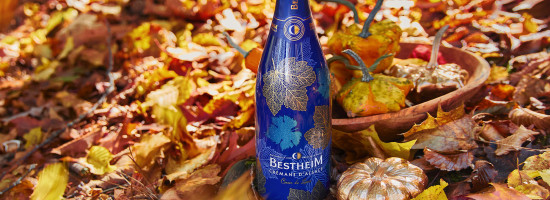
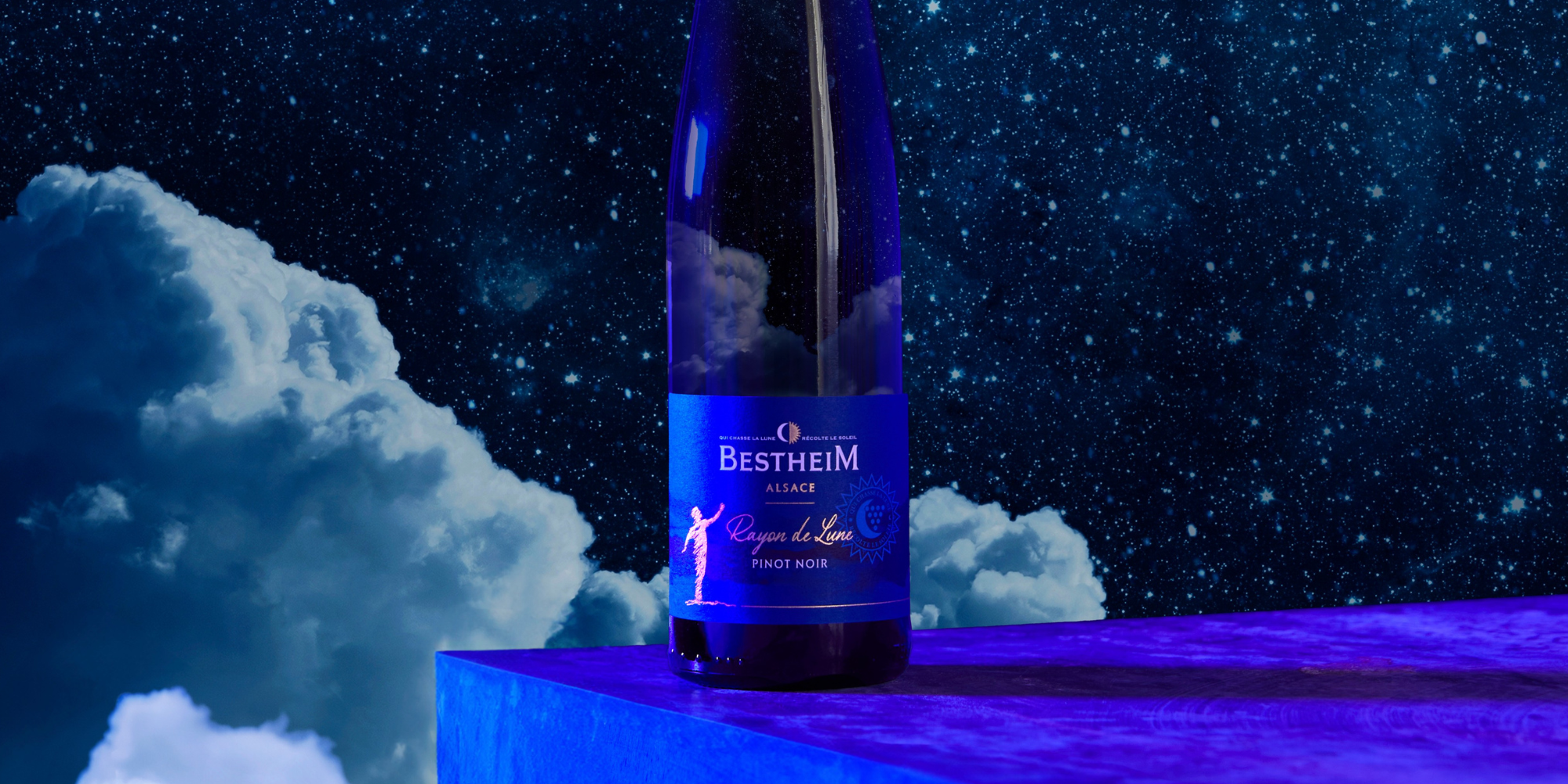
When night falls over the vineyards of Bennwihr, the moon’s rays reveal a different side of the vineyard. Presented in their iconic blue bottles, the Rayon de Lune cuvées pay tribute to the villagers of Bennwihr, who were once known as the Moon Hunters.
The Rayon de Lune cuvées


Character.
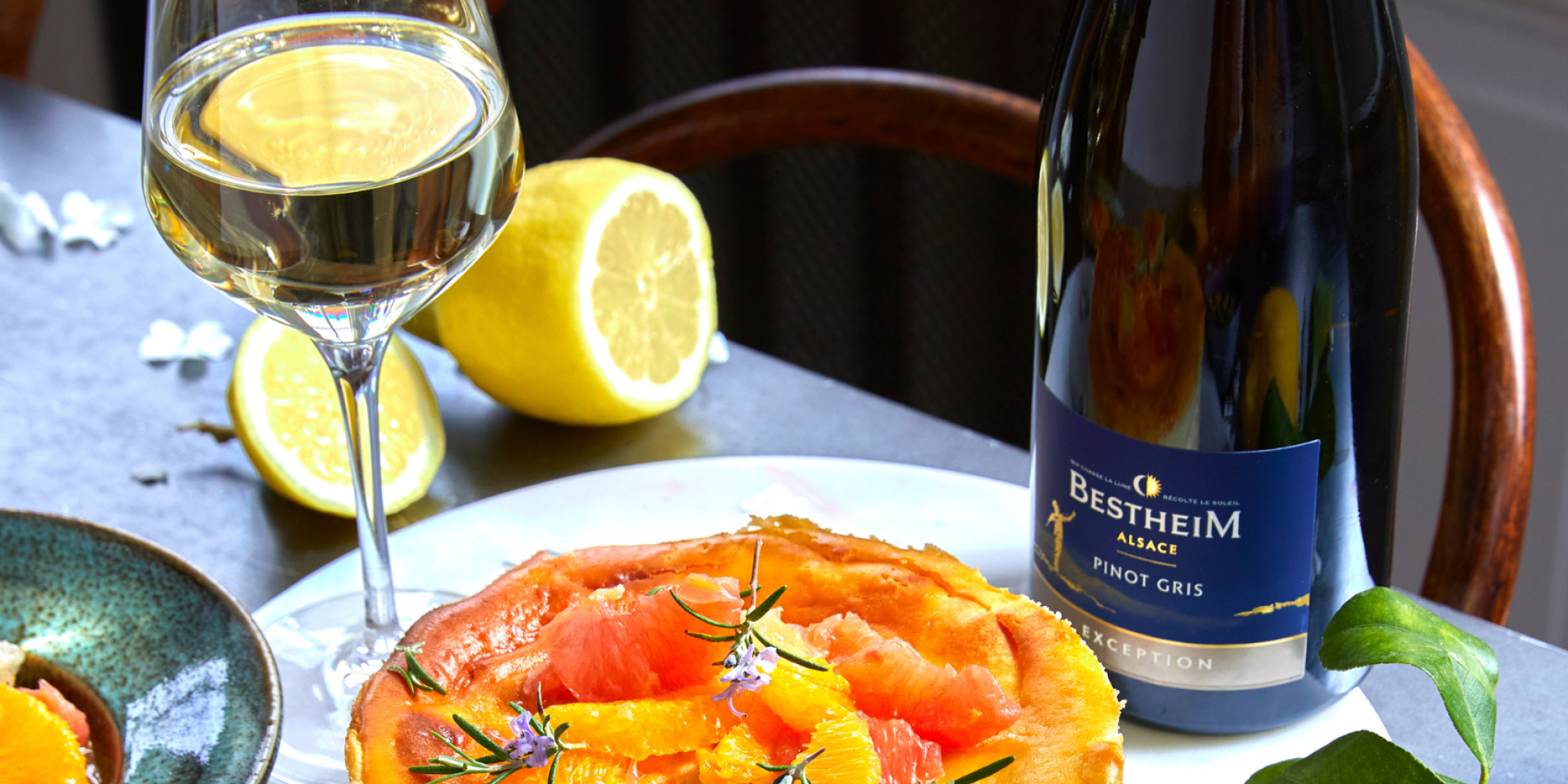
These cuvées invite you to slow down, take in the moment, and then savor the full depth of a great Alsatian wine.
Exception Collection
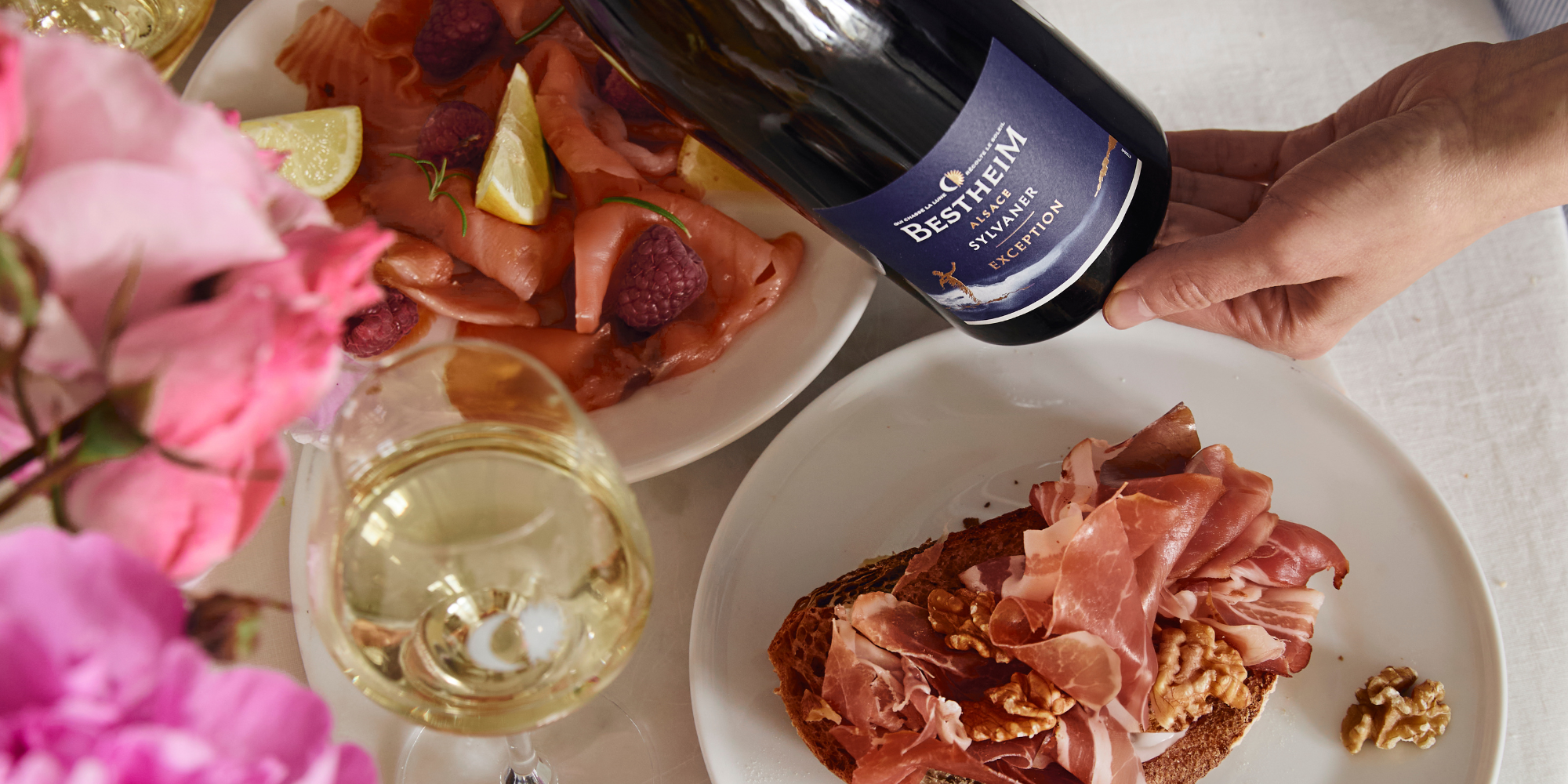
Born from a rigorous plot-by-plot selection process, the Exception cuvées reveal exclusive terroirs, sometimes sourced from Grands Crus or remarkable lieux-dits. Aged patiently on fine lees, in oak barrels or concrete eggs depending on the cuvée, they express the full nobility of the great Alsatian grape varieties.


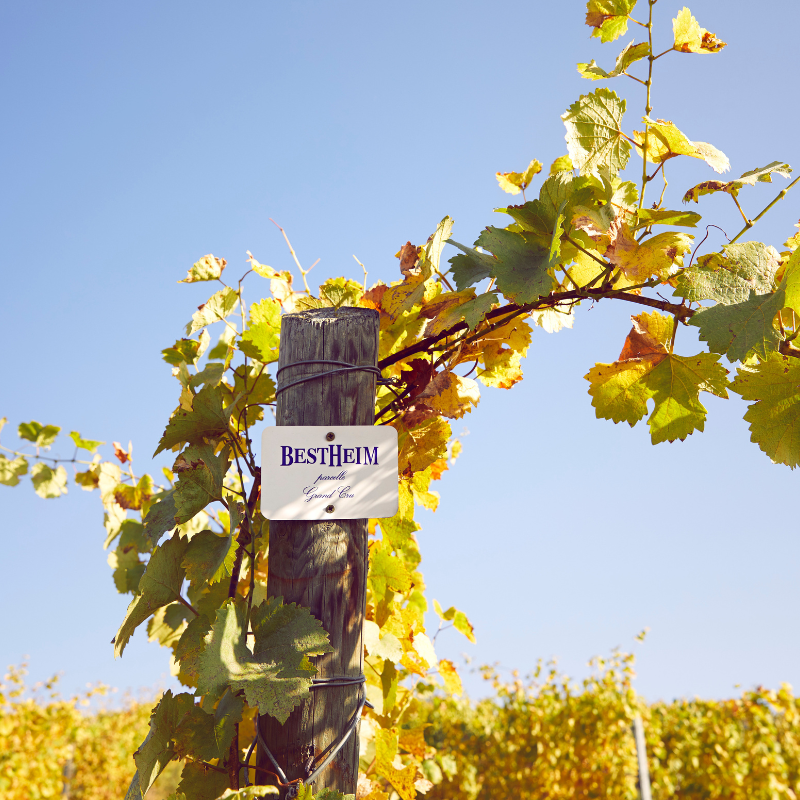
The Grand Crus of Alsace
The Grands Crus represent the highest expression of the Alsatian vineyards. Schlossberg, Mambourg, Kaefferkopf, Zinnkoepflé, and Vorbourg each tell a different story, shaped by their geology, exposure, and climate.
At Bestheim, these terroirs produce age-worthy wines of remarkable precision, in which each grape variety reveals its full depth.


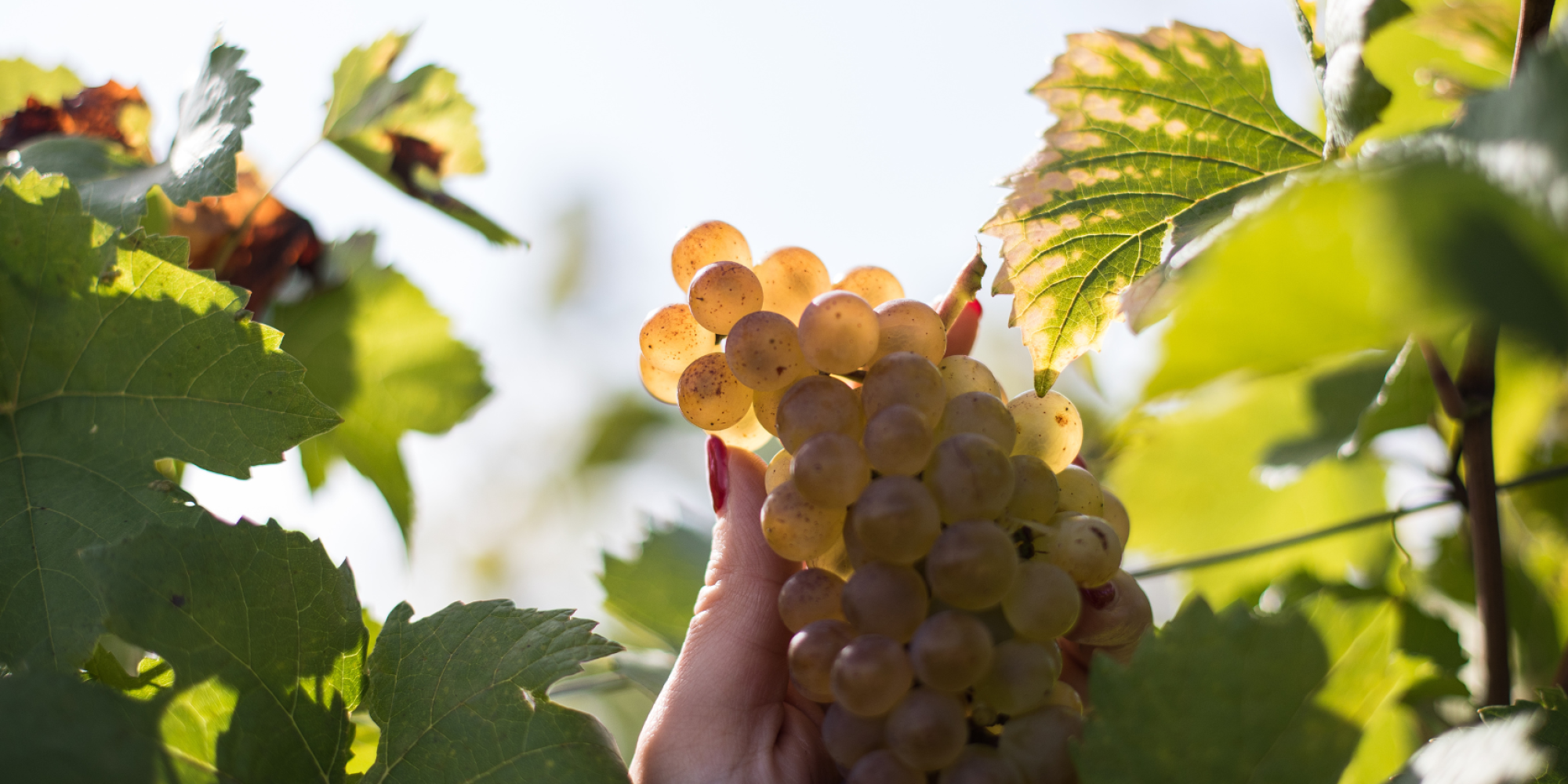
The weather.
The greatest wines are never rushed. They mature slowly, in step with their terroir and ageing process.
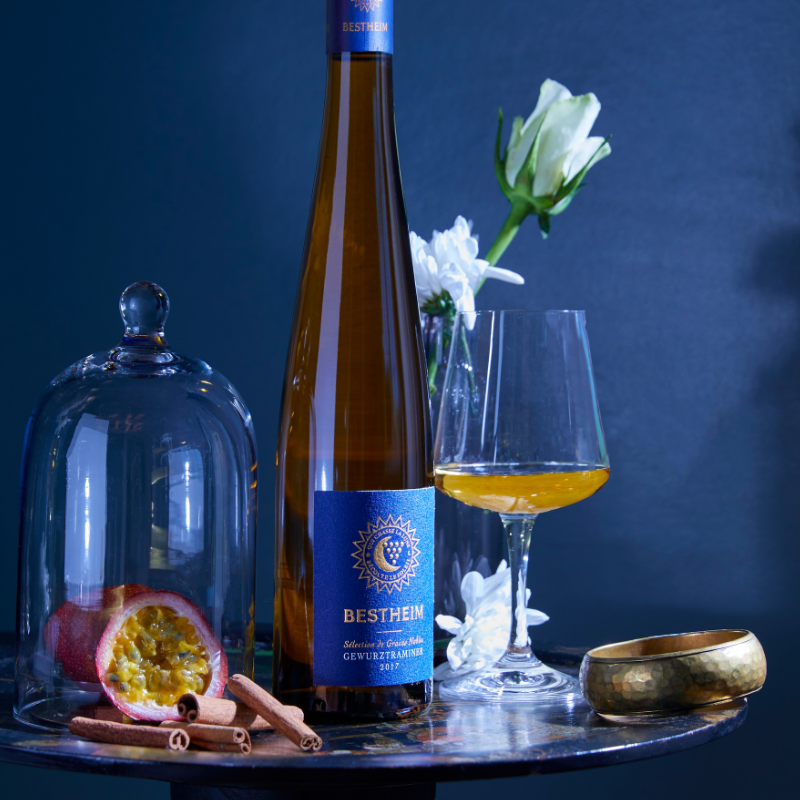
Late Harvest & Grains Nobles Selections
Some years offer nature exceptional conditions. Harvested at peak ripeness—and sometimes affected by Botrytis cinerea—these grapes give rise to rare wines that combine aromatic richness, freshness, and elegance.
Harvested exclusively by hand, these cuvées reveal notes of honey, candied fruit, spices, and flowers, while maintaining remarkable balance.


Alsace wines crafted with the utmost care
From the first harvest to bottling, every Bestheim cuvée is the result of a collaborative effort between our cooperative winemakers and our oenologists.
Because a great wine begins in the vineyard, we carefully select each plot, each harvest, and each ageing process to reveal the full richness of the Alsatian terroirs. From approachable wines to our most prestigious cuvées, the same high standard guides our work: to sincerely express the character of Alsace and offer wines that are straightforward, clean, and precise—true to the Bestheim style.
Questions you may have
Sulfur dioxide (SO2) is a chemical compound in the sulfite family that can be found in many foods and beverages.
Sulfitescan be found in wine even when the label says "no added sulfites." This is because during alcoholic fermentation, the yeast in grapes always produces small amounts of sulfur. So, "no added sulfites" wines do contain sulfites, but they are naturally produced during fermentation.
Although the presence of sulfites in wine is the result of a natural process, it is also possible to add sulfites deliberately during production. They are used for their antioxidant and antiseptic properties.
The addition of sulfites is highly regulated. Numerous standards must be met, and a maximum dose depending on the type of wine must not be exceeded. It should be noted that wines produced using organic farming methods also contain added sulfites.
When you think of wines for aging, Alsace doesn't immediately spring to mind... and yet...
Although there is no limit to how long wine can be kept, it is not uncommon for certain vintages, even those over a hundred years old, to still show surprising youthfulness!
Ultimately, it's mainly a matter of personal taste. Some people like wines that develop aromas from long aging (known as tertiary aromas), while others prefer them when they are still fruity (primary and secondary aromas).
Generally speaking, wines from terroir will have a longer shelf life due to their substance and structure. For Crémants, it's a matter of taste. The patina of time on the effervescence can sometimes be surprising, but if you're looking for freshness and pronounced effervescence, it's best to consume your cuvée within two years of purchase.
In addition to its initial potential, the shelf life of a wine depends mainly on how it is stored. It is important to assess the quality of your cellar and regularly check the condition of the bottles you keep there. We discuss this in more detail in our article"Should you invest in a wine cellar ?"
The vinification of white wines involves several stages. Immediately after the white grapes are harvested during the grape harvest, the bunches are poured into a press to extract the juice and aromas from the fruit. This is followed by settling (or decanting) to separate the juice from the must, skin residues, stems, and seeds that are still present. The juice is then placed in vats for alcoholic fermentation, the stage during which the grape juice is transformed into wine. The wines can remain there for some time to gain maturity, a process known asaging. They are then bottled and may be aged on slats before being sold.
To learn more about white wine production, please see our article on the subject.
The vinification of red/rosé wines involves several stages. Immediately after harvesting the black grapes during the harvest, the bunches are poured into a press to extract the juice and aromas from the fruit. To give the wine its color, the juice and skins are left to macerate together for a few hours. This is followed by settling ( or decanting) to separate the juice from the must, skin residues, stems, and seeds that are still present. The juice is then placed in vats or barrels for alcoholic fermentation, the stage during which the grape juice is transformed into wine. The wines can remain there for some time to gain maturity, a process known asaging. They are then bottled and may be aged on slats before being sold.
Discover: Are you familiar with Rosé d'Alsace?
When planning a meal, we often wonder about the order in which wines should be served at the table. When is the best time to taste a particular wine? There are a few basic guidelines, but the most important thing is to ensure that the tasting is consistent and enjoyable.
To avoid making mistakes, we recommend following these five rules:
1.Organize the wine tasting by color: start with sparkling wines (such as Crémant d'Alsace or Champagne), white and/or rosé wines, then red wines
2.Start with the lightest wines before moving on to the more powerful ones.
3.Taste dry wines before sweet wines.
4.From simplerwines to more complex wines.
5. Youngwines before older wines.
To find out more, read our article on the subject.
An appellation is an official French label issued by theINAO (Institut National des Appellations d'Origine), part of the Ministry of Agriculture. This labelidentifies a product whose manufacturing stages (production and processing) are carried out in the same geographical area and according to recognized expertise. There are several types of appellations: AOP ( Appellation d'Origine Protégée), AOC ( Appellation d'Origine Contrôlée), andIGP ( Indication Géographique Protégée).
Have you just bought one or more fine bottles that you want to save for a special occasion? Here are a few tips for storing your wines perfectly.
To ensure your wines are stored properly, it is advisable to keep them in a wine cellar that meets several criteria:
1. A constant temperature of around 12°C.
2. Moderate humidity, which is essential for the proper aging of wine.
3. A dark cellar to avoid the "light taste" that dilutes the wine's aromas.
To find out more, listen to Emmanuel Vergely's explanations in the Extra-Brut episode "How to store your wines."


