


-
Buy our wine
 Free shipping in France on orders over €200
 - Our wines and crémants
- Sustainable Winegrowing
- Discover us
- News



 English
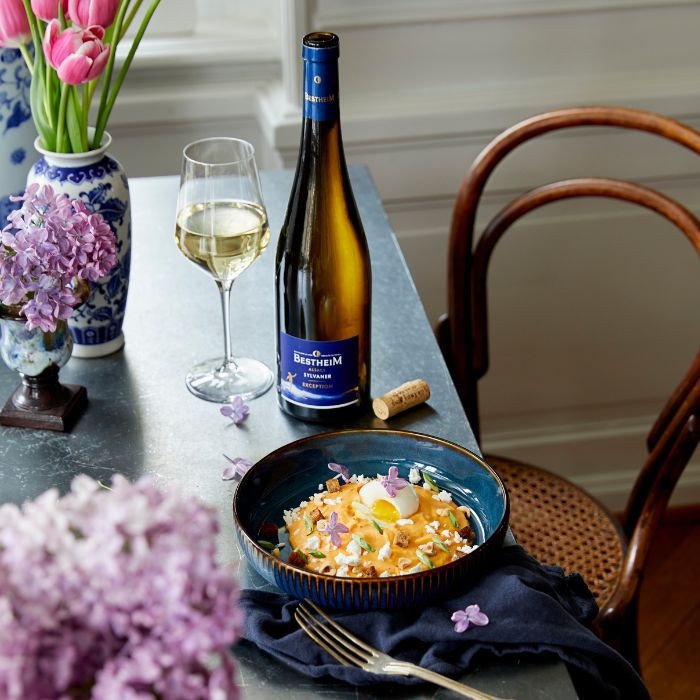
In what order should wines be served during a meal?
When planning a meal, we often wonder about the order in which wines should be served at the table. When is the best time to taste a particular wine? A few basic guidelines can be given, but the most important thing is to ensure that the tasting is consistent and enjoyable. Bestheim helps you see things more clearly and know which wines to choose from your cellar.
Wine tasting order: the basic rules of wine service
In general, it is customary to follow these few rules.
Organize wine tasting by color
Start with sparkling wines (such as Crémant d'Alsace or Champagne), then white and/or rosé wines, followed by red wines, and finish with the sweetest wines (sweet, syrupy).
Start serving with the lightest wines before moving on to the more powerful ones
Never open a powerful wine before a lighter wine, as the tannins in the first will coat the palate and neutralize the fruitier aromas of the second.
Taste dry wines before sweet wines
As with the strength of a wine, it is best to save the sweetest wines for last. Sweet wines (among the white wines of Alsace: Gewurztraminer, Pinot Gris, etc.) often have more body and character, which can saturate the taste buds before tasting a drier wine (among the Alsace grape varieties: Sylvaner, Pinot Blanc, Riesling).
From simpler wines to more complex wines
Focus on finesse, building up to a crescendo and saving the most complex wines for the second half of the meal.
Serve young wines before older wines
Although this is debatable... It is certainly difficult to return to the explosive fruitiness of a young wine after tasting the evolved flavors of a wine that has been aged. However, if you taste young, fruity, intense wines followed by mature wines at their peak, you will quickly find that the last wine tasted will seem rather flat in comparison..
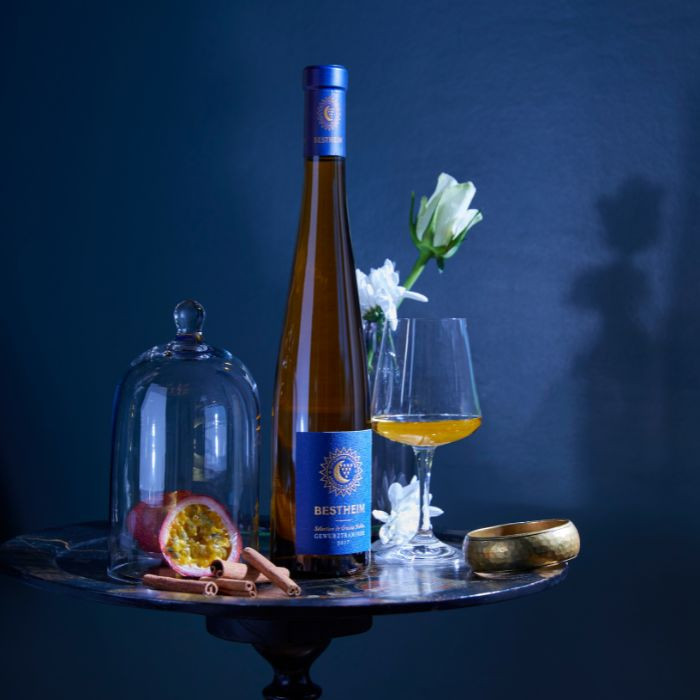


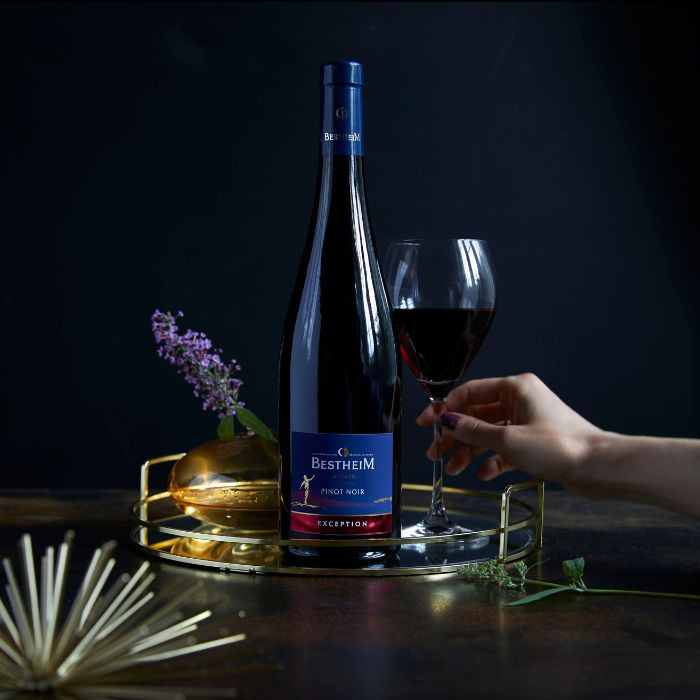
The order in which wine is served: break with tradition!
Sparkling wines, such as Crémant d'Alsace, are not necessarily reserved for the beginning of a meal as an aperitif. These wines refresh the palate with their fine bubbles and acidity. Sparkling wines can therefore be served to break up the rhythm after white wines or after a sweet wine with foie gras, for example!
Feel free to reverse the order of service and serve a red wine with the starter if it goes well with the dish. There will always be a way to cleanse your palate before continuing the tasting, for example with a large glass of water or a bite of bread. In fact, beyond the order in which the wines are served, don't forget to pair each course of your meal with the right wine!
Never forget: your enjoyment is key, so let your taste buds do the talking and don't be afraid to experiment and surprise your guests!
Serving wines in the right order ensures a smooth, consistent, and above all enjoyable tasting experience. While traditional rules remain a good basis—from light to powerful, dry to sweet, young to mature—feel free to adapt them to your dishes, your guests, and your preferences. A Crémant d'Alsace at the end of the meal? A Pinot Noir with the starter? Why not! The key is to create a moment of sharing around wine, guided by pleasure. So follow the guidelines... but above all, follow your intuition!


