


-
Buy our wine
 Free shipping in France on orders over €200
 - Our wines and crémants
- Sustainable Winegrowing
- Discover us
- News


 English
Is Gewurztraminer a dry or sweet wine?
An iconic white wine from the Alsace region, Gewurztraminer is a powerful and aromatic grape variety, immediately recognizable by its intense aromatic palette. Part of the Traminer family, it is distinguished by exotic aromas of lychee, rose, and sometimes honey, which are evident both on the nose and on the palate.
Article summary:
- Gewurztraminer is a naturally rich and aromatic Alsatian grape variety, often perceived as sweet regardless of the winemaking process.
- At Bestheim, Gewurztraminer is deliberately expressed in medium-sweet to sweet styles, true to its identity.
- This perception of sweetness comes as much from its natural balance as from the presence of residual sugars.
- The taste of a Gewurztraminer depends on the ripeness of the grapes, the terroir, and the winemaking choices.
- Bestheim's vintages illustrate different expressions of the grape variety, from accessible sweet wines to the most concentrated wines.
Grown in Alsace on often calcareous soils (calcium-magnesium soil, calcareous-sandstone soil), this white wine reveals very different profiles depending on the terroir, climate, and winemaking choices. At Bestheim, Gewurztraminer is vinified in sweet to very sweet styles, faithful to the Alsace appellation (discover our Alsace Grand Cru wines here), which explains why it is so often perceived as a sweet white wine, even when the balance is based above all on finesse and aromatic depth.
Why does Gewurztraminer often taste sweet rather than dry on the palate?
At Bestheim, Gewurztraminer is deliberately vinified in sweet to semi-sweet styles, in keeping with the identity of the grape variety and the Alsatian terroirs that bring out its best qualities. This approach explains why it is often perceived as a sweet wine when tasted.
This sensation can also be explained by the natural characteristics of Gewurztraminer. A noble and expressive grape variety, it is distinguished by its marked aromatic intensity, full-bodied structure, and moderate acidity. These elements create an immediate impression of roundness on the palate, often associated with sweetness.
The perception of taste is therefore not based solely on the presence of residual sugars. It results from a balance between grape ripeness, aromatic expression, and winemaking choices, aiming above all for harmony and finesse rather than overt sweetness.
What does "dry" or "sweet" mean when talking about Gewurztraminer?
When it comes to Gewurztraminer, the concepts of dry and sweet white wine must be interpreted with nuance. Its aromatic richness and naturally generous structure strongly influence the perception on the palate.
A sweet Gewurztraminer is characterized by a confident roundness, linked to the ripeness of the grapes and the presence of residual sugars.
At Bestheim, this grape variety is mainly expressed in medium-sweet to sweet styles, faithful to its identity and the expression of the Alsatian terroirs.
Good to know: The sensation of sweetness in a Gewurztraminer comes as much from its aromatic intensity and structure as from its sugar content. This particularity explains why it is often perceived as sweet, even when the balance of the wine is based above all on harmony and finesse.


What determines the taste of a Gewurztraminer?
The taste of a Gewurztraminer is the result of a balance between several key factors: the ripeness of the grapes, the terroir and climate, and the winemaking process. Together, these elements shape the aromatic expression of the grape variety.
- The ripeness of the grapes at harvest:
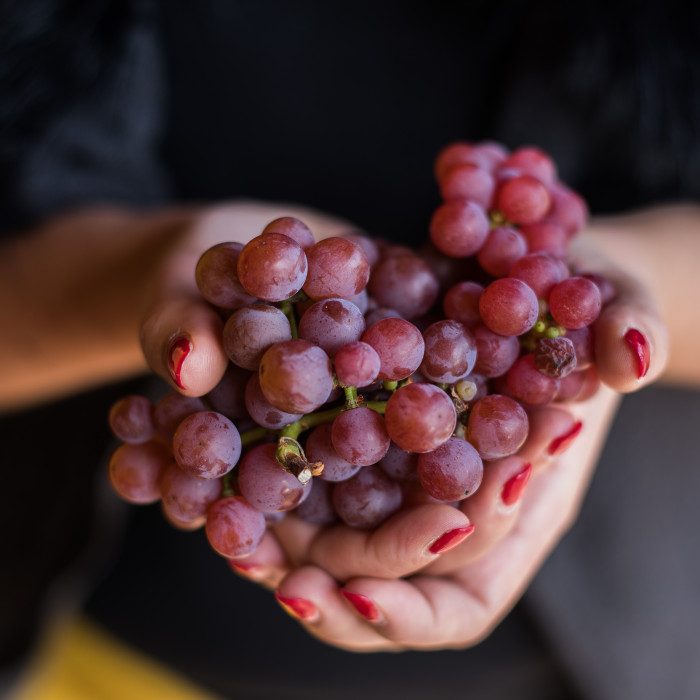
The ripeness of the grapes plays a central role in the wine's profile. The riper the grapes are when harvested, the more rounded, rich and aromatic the Gewurztraminer will be. A later harvest naturally accentuates the perception of sweetness.
- Terroir and climatic conditions:
The terroir strongly influences the style of Gewurztraminer. Exposure, soil type, and climatic conditions shape the structure of the wine. On particularly well-exposed terroirs, especially those classified as Grands Crus, such as our Gewurztraminer Grand Cru Mambourg and Grand Cru Zinnkoepflé, the wine gains intensity, depth, and aromatic complexity.
- Vinification choices:
At Bestheim, the vinification of Gewurztraminer is adapted to each cuvée. Fermentation in stainless steel vats and aging on fine lees form a common basis, while the duration of fermentation, the type of grapes, and the aging time determine the final style.
- Chasseurs de Lune: fermentation in stainless steel vats and aging on lees for more than six months, for a clear aromatic expression.
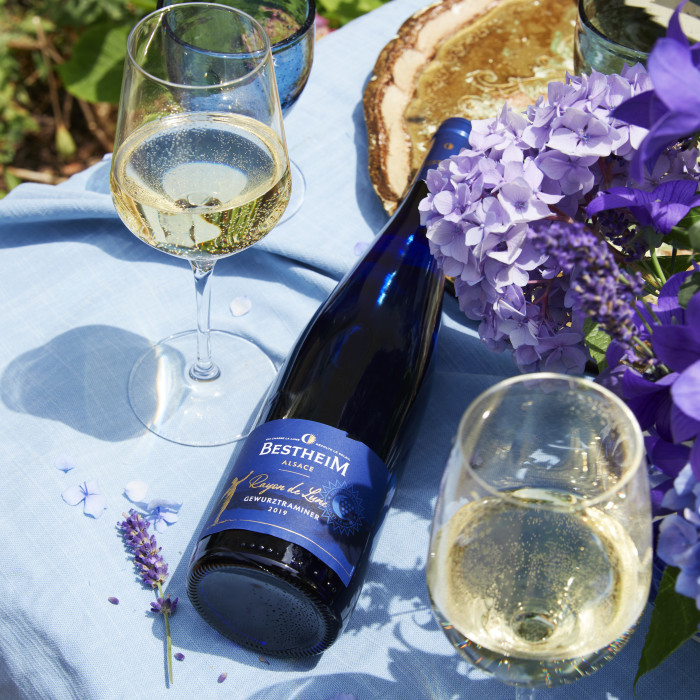
- Rayon de Lune: whole grape pressing, fermentation in stainless steel vats and prolonged aging on fine lees, bringing roundness and balance.
- Grands Crus Mambourg and Zinnkoepflé: longer fermentation and careful aging, followed by a period of rest in the bottle, to structure the richness of the wine.
- Vendanges Tardives: botrytized grapes, fermentation in stainless steel vats and aging on fine lees, resulting in a richer expression.
- Sélection de Grains Nobles: very gentle pressing of botrytized grapes and long fermentation, for marked concentration and length.
What to remember when choosing a Gewurztraminer: The choice of a Gewurztraminer is based above all on the ripeness of the grapes. The winemaking choices refine the final style. With its aromatic power and generous character, Gewurztraminer pairs particularly well with foie gras, spicy or Asian cuisine, strong cheeses, and certain fruit desserts. Discover Bestheim's tips on food and Gewurztraminer pairings.
Bestheim wines: understanding the different expressions of Gewurztraminer
At Bestheim, Gewurztraminer is expressed through several cuvées, each illustrating a particular balance of the grape variety, from accessible sweetness to the most concentrated expressions.
| Bestheim cuvée | Sweetness | Expression on the palate |
|
Chasseurs de Lune |
Sweet | Aromatic, round, accessible |
| Moonbeam | Mellow | Rich, full-bodied, fruity |
| Grand Cru Mambourg | Mellow | Structured, elegant, balanced |
| Grand Cru Zinnkoepflé | Mellow | Complex, spicy, long finish |
| Late Harvest | Sweet | Rich, concentrated, expressive |
| Selection of Noble Grains | Sweet | Powerful, very long, complex |
Looking for a sweet Gewurztraminer?
For a distinctly sweet expression, wines made from overripe grapes are the most suitable. At Bestheim, the Gewurztraminer Vendanges Tardives and Gewurztraminer Sélection de Grains Nobles offer the sweetest styles, with marked richness and a full palate.
Would you like a Gewurztraminer that really showcases the grape variety?
For a more direct interpretation of Gewurztraminer, the Gewurztraminer des Chasseurs de Lune and Gewurztraminer Rayon de Lune vintages clearly reveal its aromatic profile, without seeking extreme concentration.
Are you looking for a Gewurztraminer that is influenced by the terroir?
The Gewurztraminer Grands Crus Mambourg and Gewurztraminer Zinnkoepflé are for those who want a deeper expression of the grape variety. The terroir structures the natural richness of Gewurztraminer and brings balance, complexity, and length on the palate.


