


-
Buy our wine
Free shipping in France on orders over €200
- Our wines and crémants
- Sustainable Winegrowing
- Discover us
- News


 English
Gewurztraminer: the aromatic grape variety from Alsace cultivated by Bestheim
Aromatic, generous, and instantly recognizable, Gewurztraminer occupies a special place in the Alsatian vineyards. This iconic white wine is distinguished by an intense aromatic palette, marked by exotic aromas of lychee, rose, and spices, which are expressed both on the nose and on the palate. Its full-bodied structure and expressive character make it a unique grape variety, often associated with a sensation of roundness.
Part of the Traminer family, Gewurztraminer has been grown in Alsace for several centuries. It thrives particularly well on limestone soils, where the climate and ripeness of the grapes allow it to express its full aromatic richness.
At Bestheim, Gewurztraminer is expressed through a variety of cuvées, from accessible sweet wines to sweet wines made from overripe grapes. This diversity reflects the work of our cooperative winegrowers and their desire to reveal precise balances that are faithful to the identity of the grape variety.
Understanding Gewurztraminer also means understanding why it is so often perceived as a sweet wine, and what really distinguishes the sensation of roundness from the presence of sugar.
Understanding the Gewurztraminer grape variety in a few lines:
- A recognizable aromatic grape variety: notes of lychee, rose, sweet spices, and a full-bodied structure
- Established in Alsace since the 16th century, grown on terroirs that reveal its natural richness
- Styles ranging from sweet to syrupy: from vineyard wines to Vendanges Tardives and Sélections de Grains Nobles
- The expression varies according to the terroir: limestone, sandstone, or hillside soils influence the balance of the wine
- Pairs well with strong-flavored dishes: spicy cuisine, strong cheeses, foie gras, and desserts
Characteristics of Gewurztraminer
Grown mainly on the hillsides of Alsace, Gewurztraminer is a noble, early-ripening grape variety that offers low yields. It is distinguished by its remarkable aromatic robustness, with the term "gewurz," meaning "spicy" in German, perfectly describing its sensory profile. Its wines reveal powerful and seductive aromas of exotic fruits such as lychee, mango and pineapple, rose petals, candied fruits and sweet spices, with sometimes more complex nuances such as honey, leather or licorice depending on the terroir and vinification. They generally have a full-bodied and generous structure, with an alcohol content often around 13-14% ABV and moderate acidity, resulting in round, sometimes smooth, but always expressive wines.
Discover the Bestheim Gewurztraminer range:
- Gewurztraminer Grand Cru Mambourg: Limestone soil from Sigolsheim, a structured and elegant expression of the grape variety
- Gewurztraminer Grand Cru Zinnkoepflé: Westhalten sandstone, spicy complexity and a long finish
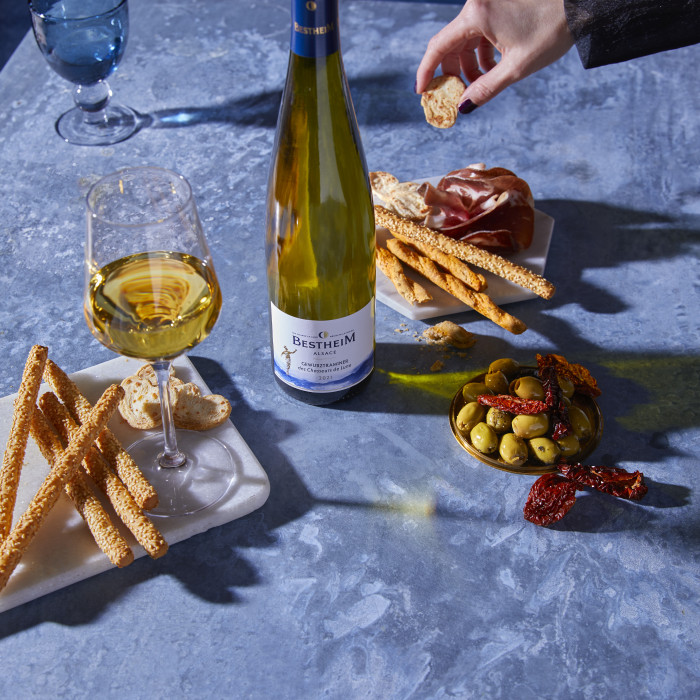
- Gewurztraminer Alsace – Chasseurs de Lune: Fermented in stainless steel vats and aged on lees, aromatic and accessible
- Gewurztraminer Rayon de Lune: Whole grape pressing, round and delicious
- Gewurztraminer Vendanges Tardives: Botrytized grapes, concentrated richness and soft expression
- Gewurztraminer Sélection de Grains Nobles: Very gentle pressing, long fermentation, marked concentration and length
What is the difference between Late Harvest and Selection of Noble Grains?
Concentration and rarity. Vendanges Tardives comes from overripe grapes, with or without noble rot. Liqueur-like richness balanced by a beautiful freshness. We only produce it in certain years. Sélection de Grains Nobles requires noble rot on each grape, sorted one by one. Extreme concentration, syrupy texture, infinite length. Extremely rare production, about once a decade. SGN is the pinnacle of Gewurztraminer's sweet expression.
The history of Gewurztraminer in Alsace
Steeped in history, Gewurztraminer is deeply rooted in the Alsatian wine-growing landscape. Derived from an ancient grape variety called "Traminer," it was introduced to Alsace in the 16th century. It quickly established itself as one of the region's iconic white grape varieties, thanks to its unique character and distinctive aromatic richness.
Gewurztraminer has a close cousin: Savagnin rose, also known as Traminer. This grape variety is grown in Alsace under the Klevener de Heiligenstein appellation, in the Heiligenstein area. Less powerful than Gewurztraminer, it nevertheless shares certain aromatic characteristics, while offering a more discreet and floral expression.
Today, Gewurztraminer represents a significant part of the Alsatian vineyard and embodies the identity of terroir white wines. At Bestheim, we continue this tradition by promoting Gewurztraminer through vintages that are representative of the Alsatian terroirs. Gewurztraminer is a wine that is perfect for Christmas, as a gift for a loved one or for drinking on Christmas Eve!


The styles of wines produced from Gewurztraminer
Gewurztraminer expresses its full richness in sweet or dessert wines, where its aromatic power is fully revealed. When harvested at full maturity, it produces sweet or semi-dry wines, generous in residual sugars but always balanced by a beautiful freshness. These vintages appeal to lovers of smooth white wines, rich in exotic and floral aromas.
In exceptional vintages, Gewurztraminer reaches optimal concentration and can be used to produce Vendanges Tardives or Sélections de Grains Nobles. These sweet wines, made from overripe grapes or grapes affected by "noble rot," reveal remarkable complexity, with notes of honey, spices, and candied fruit. Round and persistent, they are perfect for accompanying foie gras, strong cheeses, or festive desserts.
Gewurztraminer and Alsatian terroirs: a subtle alchemy
The character of Gewurztraminer is deeply influenced by the terroir and soil in which it grows. Some soils give it roundness and opulence; others promote finesse, aromatic balance, or a slight tension.
On exceptional terroirs, those devoted to Alsace Grands Crus or located on well-exposed hillsides, Gewurztraminer expresses itself with a rare level of complexity and elegance. It is these terroirs that we select to produce our most refined vintages, drawing on the best of this noble grape variety.
Our Gewurztraminer Grands Crus
At Bestheim, two Grands Crus illustrate the diversity of expression of Gewurztraminer on benchmark Alsatian terroirs.
- Limestone soil, located in the commune of Sigolsheim
- Brings roundness, structure, and balance to Gewurztraminer
- Full-bodied, elegant expression with a lingering finish
- Sandstone soil, south-facing in the commune of Westhalten
- Promotes aromatic complexity and spicy notes
- More tense expression, long on the palate, with beautiful minerality
These two terroirs allow Gewurztraminer to reveal complementary facets: the powerful aromas and long aging potential of Mambourg, and the spicy finesse of Zinnkoepflé.
Is Gewurztraminer susceptible to vine diseases?
Gewurztraminer is moderately susceptible to the main diseases and hazards affecting vineyards:
- Diseases: chlorosis, powdery mildew, grape worms, stalk desiccation
- Weather hazards: spring frosts (early-ripening variety)
- Pests: scale insects, leafhoppers depending on the year
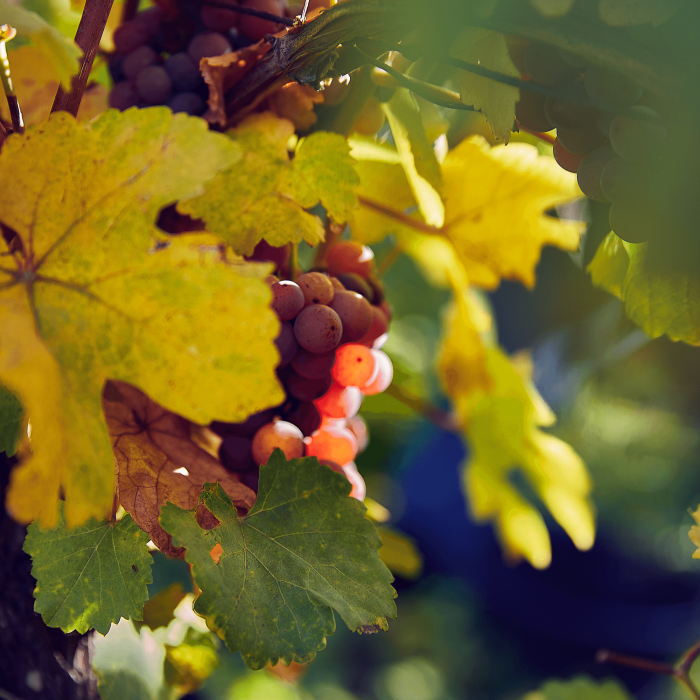
In some years, under favorable climatic conditions, it can be affected by noble rot. This form of rot concentrates the sugars and aromas of the grape. At Bestheim, it enables us to produce our Vendanges Tardives and Sélection de Grains Nobles vintages. Our winegrowers monitor the development of each plot to identify the moment when this over-ripening offers the best balance.
Cultivating Gewurztraminer requires careful observation of the vineyard. This collective effort aims to preserve the health of the vines while allowing the natural richness of the grape variety to express itself, when the vintage permits.
How to taste a Gewurztraminer?
To bring out all the aromatic and gustatory qualities of a Gewurztraminer:
- Serving temperature: it is best served slightly chilled, between 46°F and 46–47°F; if served too cold, its aromas may be masked.
- Suitable glass: a large, slightly flared white wine glass will allow the floral and exotic aromas to fully express themselves.
How should Gewurztraminer be stored?
Store bottles horizontally, away from light, at a constant temperature between 12 and 14°C. Once opened, a bottle of sweet Gewurztraminer (Chasseurs de Lune, Rayon de Lune, Grands Crus) can be kept for 2 to 3 days in the refrigerator, with the cork replaced. Vendanges Tardives and Sélection de Grains Nobles wines can be kept for up to 5 days thanks to their sugar concentration and natural acidity.
How long can Gewurztraminer be kept?
Between 3 and 15 years, depending on the style. Our Chasseurs de Lune and Rayon de Lune Gewurztraminers are best enjoyed within 3 to 5 years to appreciate their fruitiness. The Mambourg and Zinnkoepflé Grands Crus gain complexity with 5 to 10 years of aging. Vendanges Tardives evolve beautifully between 10 and 20 years. Sélection de Grains Nobles can be kept for over 20 years in optimal conditions.
What food and wine pairings go well with Gewurztraminer?
What dish should you eat with a Gewurztraminer? This is not an easy question to answer, as there are so many different Gewurztraminers in our range. The main thing to remember is that the aromatic profile and power of Gewurztraminer make it an ideal partner for dishes with strong or exotic flavors. Here are a few ideas for successful pairings:
- Spicy, exotic, or Asian cuisine: Thai, Indian, Asian dishes, spicy or hot dishes, tagines. The contrast between spices and aromatic sweetness is often very successful. Discover other food and wine pairings with our Gewurztraminer Late Harvest.
- World cuisine: Mexican, Oriental, or spicy dishes, which pair well with the typical richness of the wine.
- Strong cheeses: cheeses with character, matured or pressed cheeses, or even well-matured goat's cheeses. Among the great classics: Munster or blue cheese.
- Desserts and sweet treats: thanks to its mellowness, Gewurztraminer can accompany fruit desserts (apricots, mango), spice desserts, or exotic fruit tarts. Discover our recipe for lychee baba with a Gewurztraminer Sélection de Grains Nobles, an exceptional result.


