


-
Buy our wine
Free shipping in France on orders over €200
- Our wines and crémants
- Sustainable Winegrowing
- Discover us
- News


 English
Pinot Noir from Alsace or Burgundy: What Are the Differences?
One grape variety, two regions, two identities. Pinot Noir expresses itself differently in Alsace than it does in Burgundy.
Pinot Noir originated in Burgundy, but it has found an ideal terroir in Alsace where it develops its own distinct character. Terroir, climate, winemaking, and aromatic profile: everything is different. It’s not a question of “better” or “worse,” but of style. Two red wines, two distinct styles, two distinct pleasures.
Two terroirs, two climates for the same grape variety
In Burgundy, Pinot Noir thrives in a temperate oceanic climate, with an Atlantic influence that brings humidity and variation. The clay-limestone soils of the Côte d’Or, cultivated for centuries, produce wines of great mineral complexity. The grape variety ripens slowly there, thanks to moderate summers.
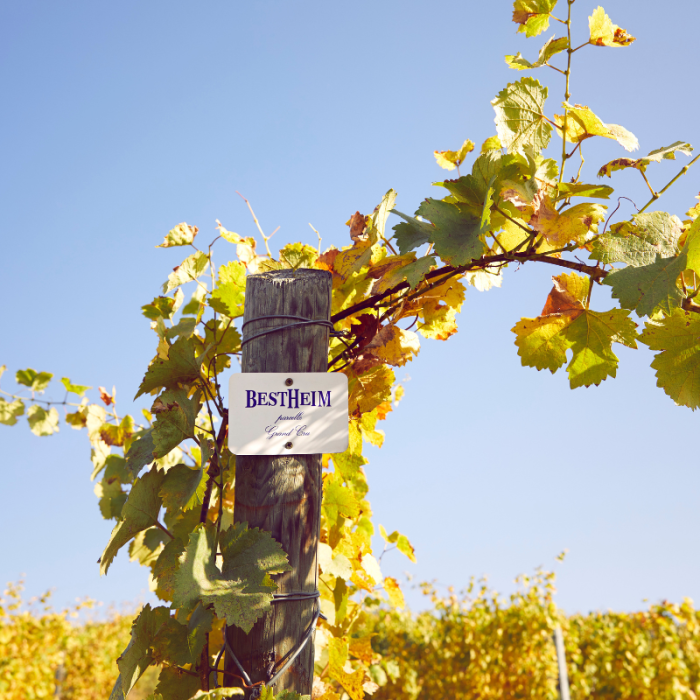
In Alsace, the context is radically different. The continental climate, sheltered by the Vosges Mountains, offers hot summers and dry autumns. The continental climate, sheltered by the Vosges Mountains, offers hot summers and dry autumns. Alsace has one of the lowest annual rainfall totals in France. There, Pinot Noir achieves a more pronounced fruity ripeness on limestone and marl-limestone terroirs that are well-exposed to the south. The result: expressive red wines with a natural roundness that the Burgundian climate does not produce in the same way.
Two regions, two approaches. Burgundy emphasizes tension and minerality. Alsace focuses on fruit and aromatic expression.

Distinct Aromatic Profiles
Burgundian Pinot Noir is recognizable by its delicate red fruit flavors (cherry, red currant), its pronounced minerality, and its earthy notes (forest floor, truffle) that emerge with age. The tannins are refined yet structured. The finish is long and precise. Over time, the wine gains complexity: leather, spices, and animal notes. Grand Cru wines have an ageing potential of 10 to 20 years.
Alsace Pinot Noir takes a different approach. The red and black fruits are more expressive: cherry, raspberry, blackberry, and blackcurrant. The color is often deeper. The tannins remain silky, and roundness dominates. The wine reveals itself immediately, with a fruity freshness that captivates from the very first sip. Aging potential ranges from 2 to 5 years, up to 8–10 years for the most structured cuvées.
As Guillaume Puzo wrote in *Paris Match* about our Pinot Noir Exception: “An Alsatian Pinot Noir that doesn’t imitate Burgundies. It has its own personality, with firm tannins and a beautiful energy in the finish.”
Winemaking: Differences Between Alsace and Burgundy
In Burgundy, winemaking is closely tied to the terroir. Each vineyard block produces a distinct wine, which is aged in oak barrels for 12 to 18 months.
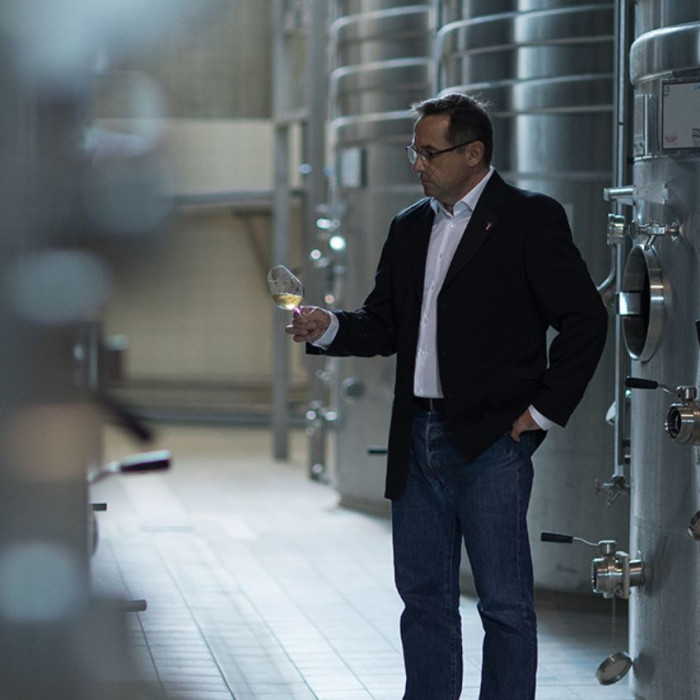
In Alsace, Pinot Noir winemaking is more diverse. Stainless-steel tanks are still commonly used to preserve the grape variety’s fruitiness and freshness. Barrel ageing is practiced, but it is often more subtle, designed to complement the fruit without masking it.
At Bestheim, each cuvée reflects a different winemaking approach. Our Chasseurs de Lune cuvée remains in stainless steel tanks and is subject to fine lees ageing, resulting in immediate fruity freshness. Our Exception and L'Impatient cuvées spend 12 months in French oak barrels (228 and 500 liters): structure, complexity, and ripe tannins. Two philosophies coexisting in the same cellar.
Alsatian Pinot Noir is not wined like a Burgundy. It seeks its own balance between fruit and structure.
How does Alsatian Pinot Noir stand out?
Pinot Noir holds a unique place in Alsace: it is the region’s only red grape variety. Today, it accounts for 10% of Alsace’s vineyards, a steady increase driven by a commitment to quality.
Long overshadowed by Alsatian whites, Alsatian Pinot Noir is experiencing a true renaissance. Alsatian Pinot Noir is experiencing a true renaissance. The recognition of the Vorbourg Grand Cru designation for Pinot Noir starting with the 2024 vintage confirms this rise in prominence. A strong signal: Alsace doesn’t just produce white wines.
What sets Alsatian Pinot Noir apart is its straightforwardness. No detours, no pretense. Fruit, freshness, and silky tannins. A red wine that embraces its Alsatian identity without trying to imitate anyone else.
Why is Pinot Noir unique?
Pinot Noir is one of the few grape varieties capable of reflecting its terroir with such precision. Two neighboring plots yield two different wines. This sensitivity to soil and climate makes it a demanding yet fascinating grape variety. It is also one of the oldest grape varieties in France, having been cultivated since the Middle Ages.
What are the characteristics of Pinot Noir?
Pinot Noir is a red wine with fine, silky tannins, featuring aromas of red fruits (cherry, raspberry), and often a lighter color than other reds. Its thin skin gives it its aromatic delicacy. It is an early-ripening and demanding grape variety that thrives on limestone terroirs in cool to temperate climates. In Alsace, it is the only authorized red grape variety and is produced in a range of styles, from still wine to Crémant Rosé.
What foods pair well with Pinot Noir?
Pinot Noir is versatile at the table. Red meats, game, roasted poultry, aged cheeses (Munster, Comté), and slow-cooked dishes (beef bourguignon, coq au vin). In Alsace, it also pairs well with sauerkraut, baeckeoffe, and tarte flambée. Its lightness and delicate tannins allow it to complement these dishes without overpowering them.
Pinot Noir is versatile at the table. Red meats, game, roasted poultry, aged cheeses (Munster, Comté), and slow-cooked dishes (beef bourguignon, coq au vin). In Alsace, it also pairs well with sauerkraut, baeckeoffe, and tarte flambée. Its light body and delicate tannins allow it to complement these dishes without overpowering them. Discover all the dishes that pair with Pinot Noir in our dedicated guide.


