


-
Buy our wine
Free shipping in France on orders over €200
- Our wines and crémants
- Sustainable Winegrowing
- Discover us
- News


 English
The art of making Bestheim Crémants d'Alsace
The traditional method: excellence at every stage
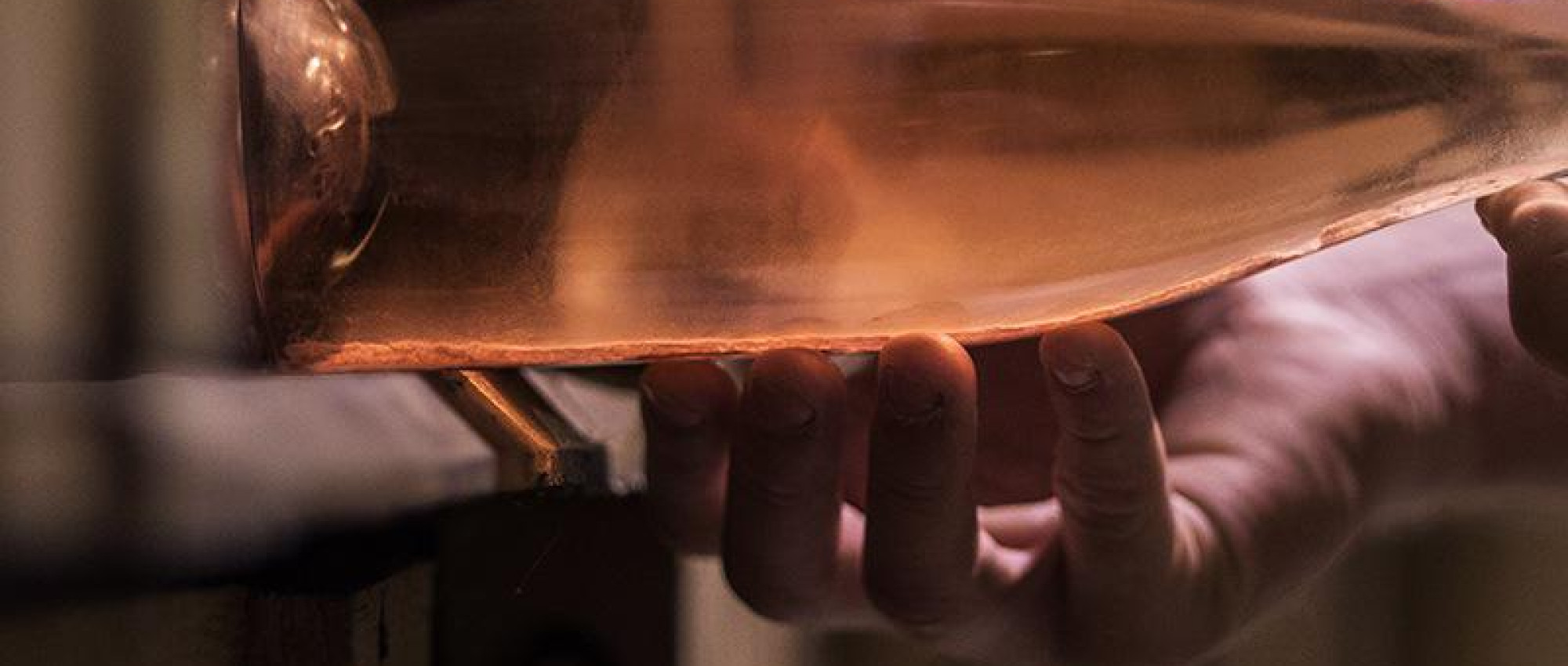
At Bestheim, our Crémants d'Alsace are made using the traditional method, identical to that of Champagne. This rigorous process includes a second fermentation in the bottle, ageing on racks for at least 12 months, and meticulous disgorging. Each stage is carried out with care to guarantee fine bubbles and optimal aromatic expression.
Expertise combining tradition and innovation
Our Westhalten site is entirely dedicated to the production of Crémant. Thanks to regular investments, we combine cutting-edge technology and respect for traditions to preserve the quality of the grapes and wines. Our passionate and committed teams work hand in hand to offer Crémants d'Alsace that reflect the excellence and authenticity of our terroir.
Discover our collection of Crémants d'Alsace


Tasting Crémant d’Alsace: tips and advice

Bestheim – Winegrowers committed to sustainable viticulture

Questions you may have
The best Crémant d'Alsace is a sparkling winewith a Controlled Designation of Origin produced throughout the Alsace wine region. It is mainly a single-varietal wine made from Pinot Blanc, but it can also be produced from Pinot Gris, Pinot Noir, Riesling, Auxerrois, or Chardonnay, with no restrictions on proportions. It is made using the "traditional method"(identical to that used for Champagne) with a second fermentation in the bottle. Crémant d'Alsace Rosé, which is rarer, is made from 100% Pinot Noir.
Crémant d'Alsace is a sparkling wine that should be served chilled (between 42°F and 48°F) as an aperitif, during a meal, or to celebrate dessert. To fully appreciate its aromas and the finesse of its bubbles, serve it in flutes like Champagne. Avoid serving it in glasses that are too wide, as this will cause the bubbles to escape in record time. After tasting, if you have not finished the bottle, reseal it with a Crémant (or Champagne) stopper that seals tightly. You can then store it in the refrigerator for 48 to 72 hours.
Crémant d'Alsace, like any other wine, is made from grapes that are pressed and then stored under specific conditions to allow fermentation, which transforms them into alcohol.
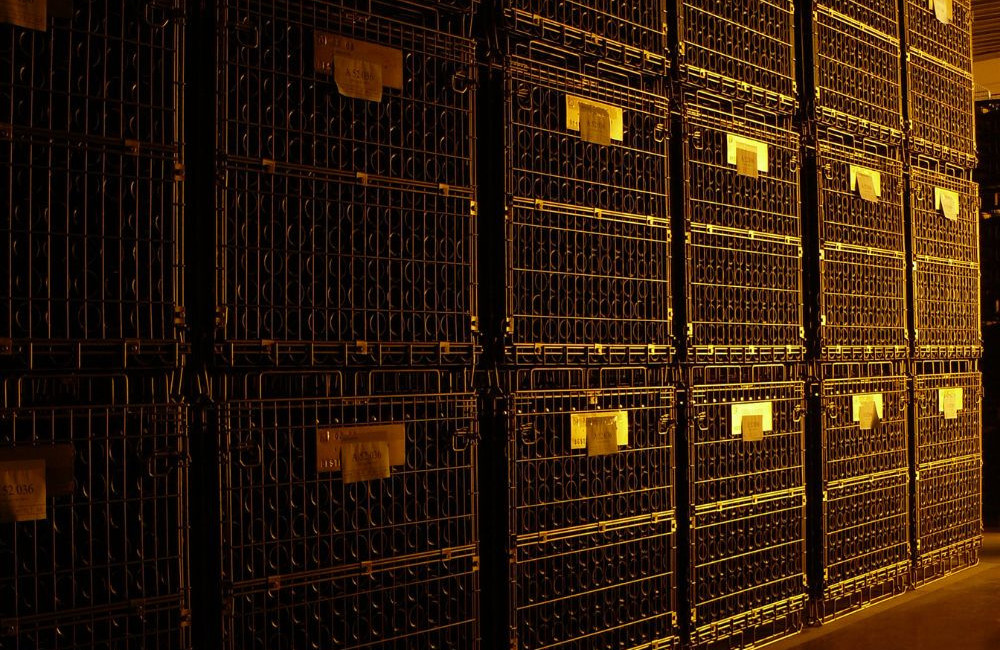
Once the tirage has been carried out (the process of bottling the wine and adding a liqueur de tirage containing sugar and yeast), the bottles are stored horizontally "sur lattes" in a cellar at a temperature of 11-12°C. The yeast introduced into the bottle breaks down the sugar, producing carbon dioxide (CO2). This is the second fermentation in the bottle, known as the famous "prise de mousse" (bubble formation). And this is where our famous bubbles come in!
To find out more, watch David Gsell's explanations in the Extra-Brut episode "Where do the bubbles in Crémant come from?"


